Central Africa · Republic of Gabon

Gabon —
Africa's Last Eden

80% rainforest cover. 13 national parks. Home to half of Africa's gorillas. One of the most biodiverse nations on Earth, still largely untouched.

🌿 80% Forest 🏞️ 13 Parks 🦍 50% of Africa's Gorillas

The Congo Rainforest

Gabon sits at the heart of the Congo Basin, the second-largest tropical rainforest on the planet — a green lung that absorbs more carbon than any ecosystem on Earth outside the Amazon. Unlike so many of its neighbours, Gabon has kept this inheritance almost entirely intact. More than 80 percent of the country's land surface remains forested, a figure unmatched anywhere in Africa.

The forest here is ancient. Its canopy stretches unbroken from the Atlantic coast across rolling hills and deep river valleys into the border regions with Cameroon and the Republic of Congo. Within it grows a staggering diversity of life: more than 8,000 plant species, 690 bird species, and hundreds of mammals, many of which have never been systematically studied.

What makes Gabon exceptional is not just its biodiversity, but the quality of its wilderness. Elephant herds still roam freely. Chimpanzees nest in trees that were old before colonialism. Forest buffalo and pangolins — increasingly rare elsewhere — survive here in viable populations. The absence of large-scale logging in protected areas has allowed the ecosystem to remain functionally whole.

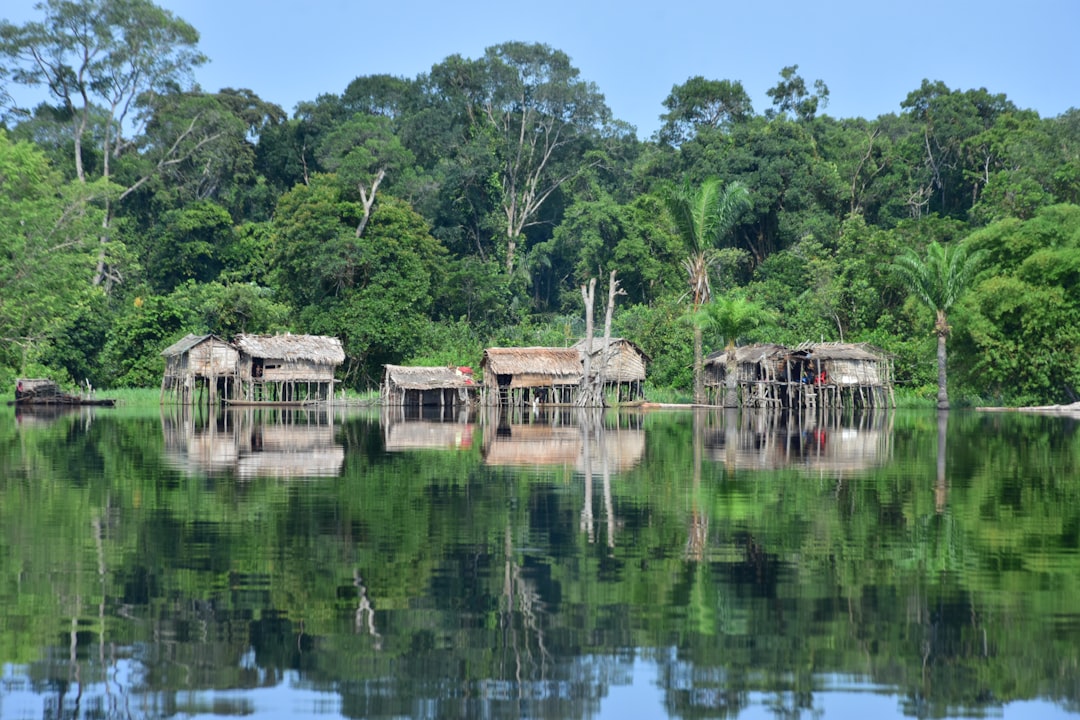
Gabon's forests also underpin the livelihoods of the Fang, Bapunu, Myènè and dozens of other ethnic communities who have lived alongside this wilderness for generations. Their knowledge of plant medicine, forest navigation and wildlife behaviour is deep and irreplaceable — and increasingly sought out by ecotourism operators who want to offer guests something genuinely authentic.

For the traveller who comes to Gabon, the forest is not a backdrop. It is the destination itself.
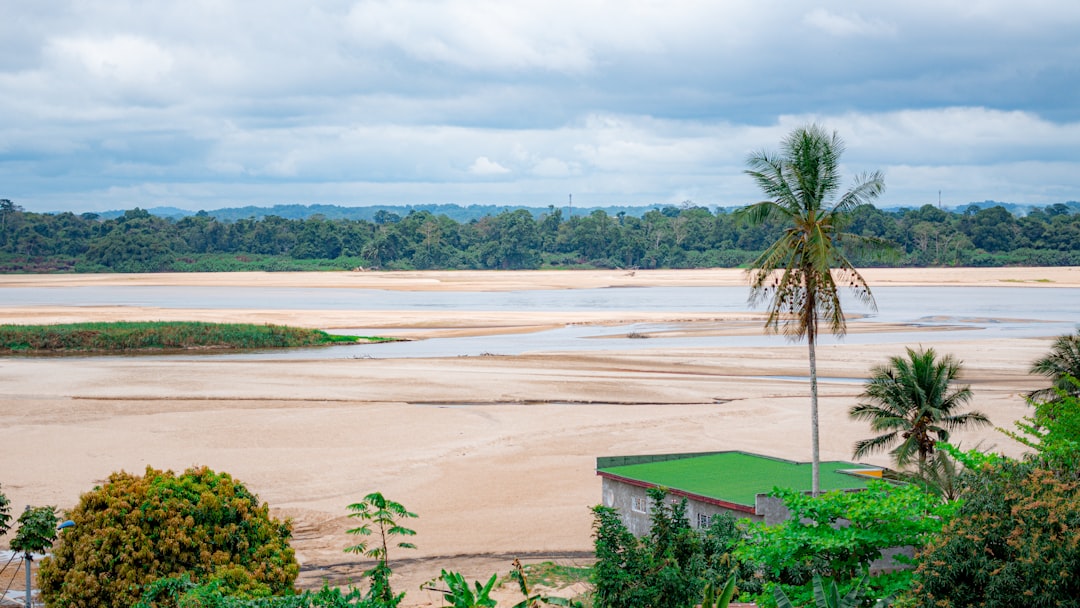
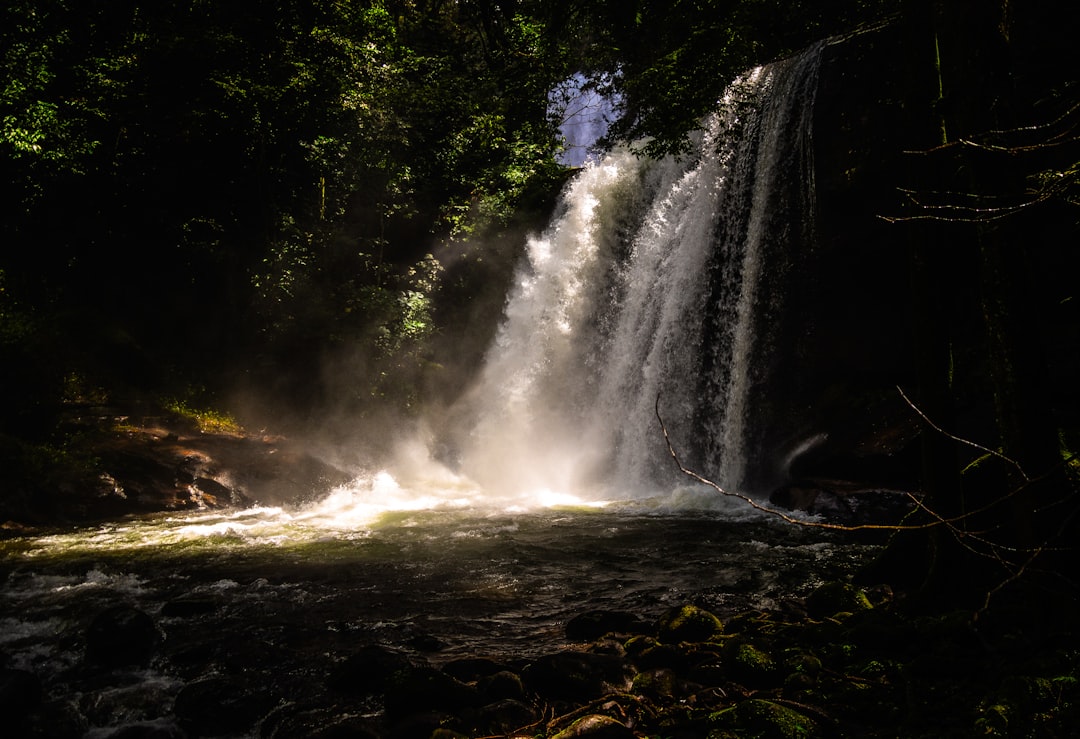
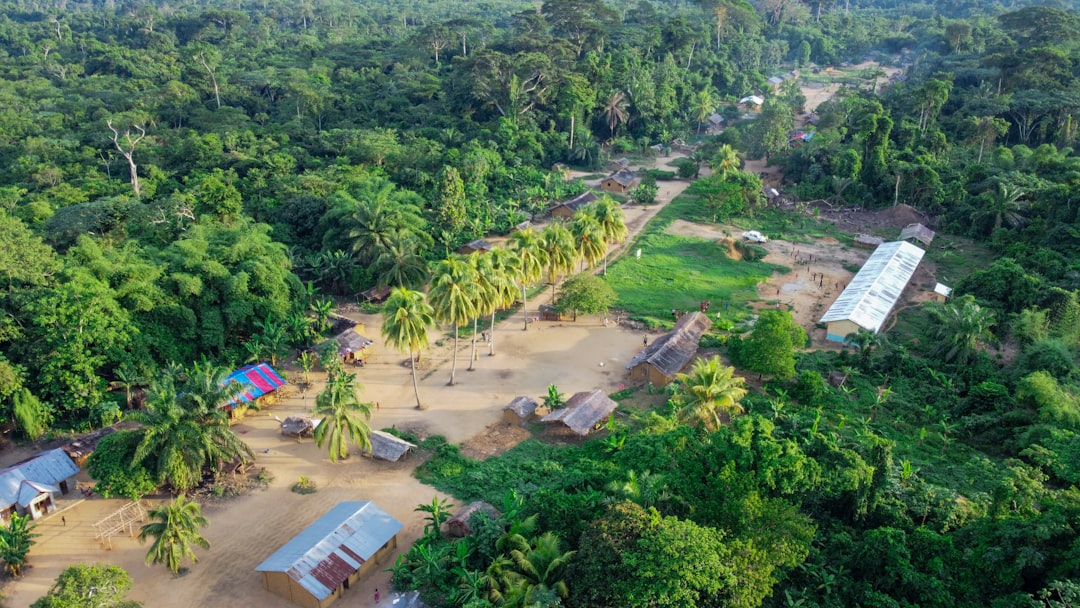
Dense Gabon rainforest canopy
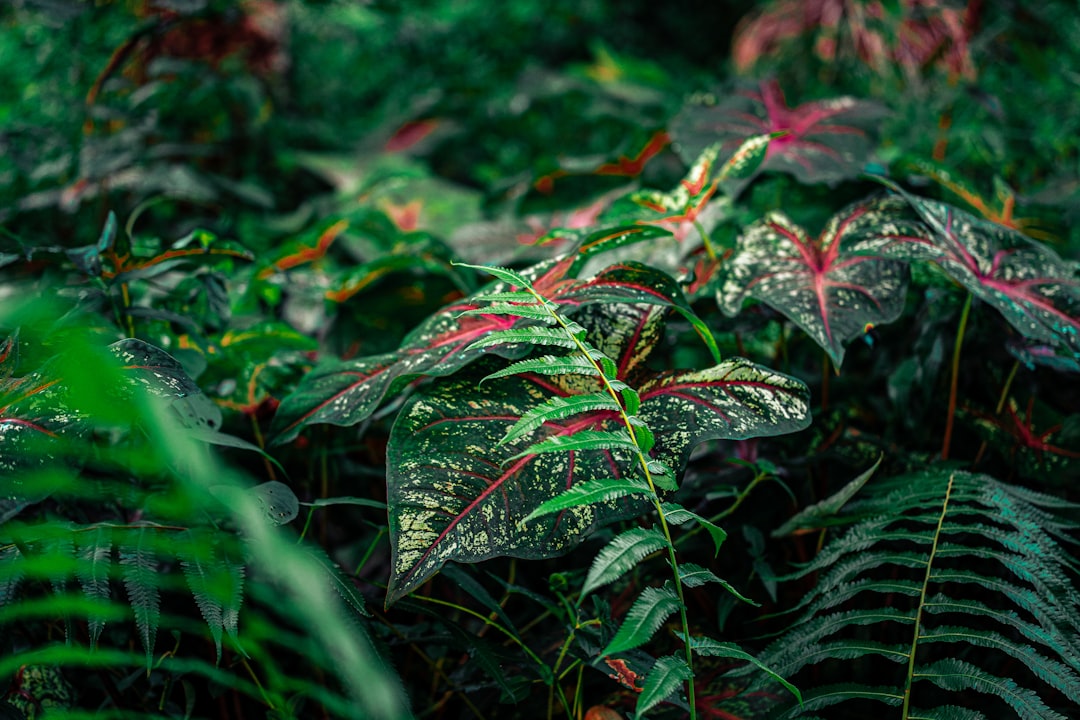
Gabon forest interior, Congo basin

Gabon sequesters an estimated 1.1 billion tonnes of carbon annually — making it one of the only countries in the world to have a net-negative carbon footprint.
Half of Africa's Gorillas Call Gabon Home

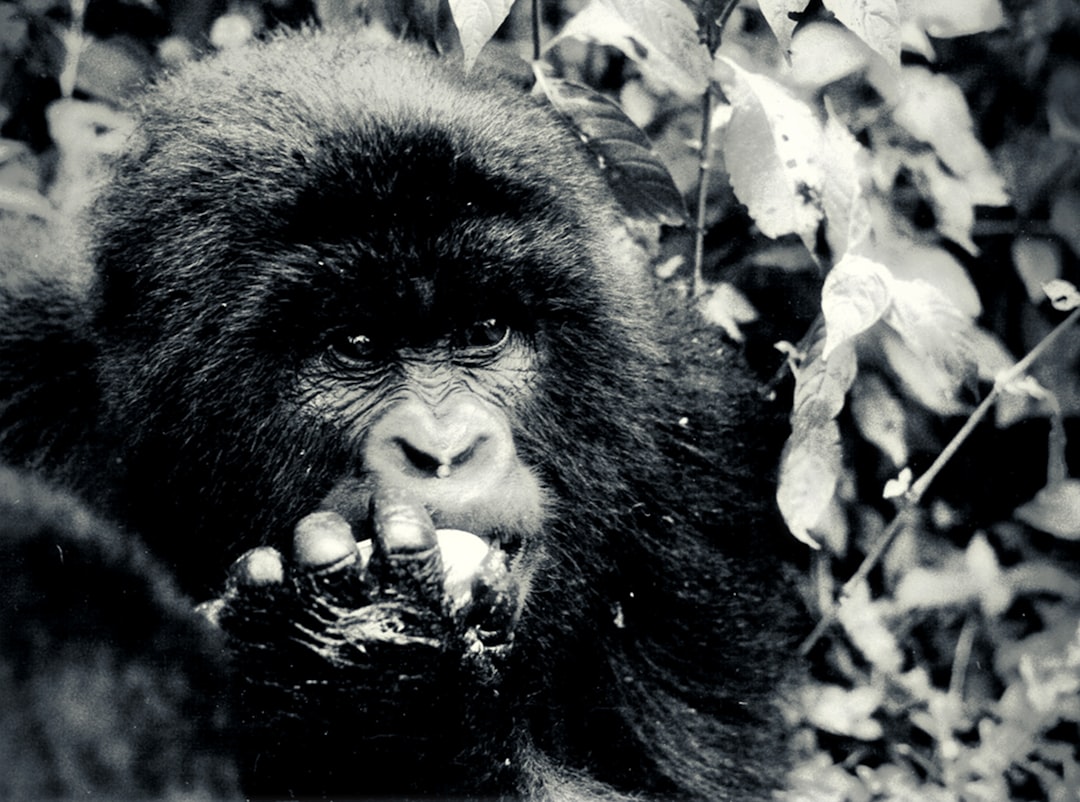
Gabon harbours an estimated 40,000 western lowland gorillas — roughly half the total global population of this critically endangered species. In the dense forests of the south, particularly in Moukalaba-Doudou National Park, gorilla groups have been habituated to human presence over years of careful fieldwork, allowing researchers and visitors to observe them at remarkably close range.

Unlike mountain gorilla treks in East Africa, encounters in Gabon remain largely undiscovered by mass tourism. Groups of five to eight individuals can be tracked over two to three hours on foot through the understorey, led by expert guides from local communities who have lived alongside these animals their entire lives.

"Looking into a gorilla's eyes here, you understand that wild Africa is not a memory — it is still present."
Gorilla Trekking Guide →

13 National Parks

Created in 2002, Gabon's 13 national parks protect 11% of the national territory — one of the largest proportions of protected land in Africa. Each park shelters a distinct ecosystem.

Lopé National Park, Gabon — savannah and forest
UNESCO World Heritage
Lopé National Park

The jewel of Gabon's park network. Lopé blends ancient open savannah with dense equatorial forest — a landscape that survived the Ice Age while the rest of Africa went dry. Home to forest elephants, mandrills and western lowland gorillas.

📐 497,000 ha · Est. 2002
Moukalaba-Doudou rainforest, Gabon gorillas
Gorilla Territory
Moukalaba-Doudou

In the far south of Gabon, this remote park harbours the highest density of habituated gorilla groups in the country. Undisturbed primary forest, chimpanzees, leopards and abundant birdlife make it a frontier destination for serious wildlife travellers.

📐 449,000 ha · Est. 2002
Pongara National Park, Gabon coast and mangroves
Coastal & Marine
Pongara National Park

Directly across the Gabon Estuary from Libreville, Pongara combines Atlantic beach, mangrove forest and inland jungle. Leatherback sea turtles nest on its shores between October and March, and forest elephants wade onto the beach at dawn.

📐 92,000 ha · Est. 2002
Mangrove forests, Gabon Atlantic coast

Mangroves & the Atlantic Coast

Gabon's coastline stretches 885 kilometres along the Gulf of Guinea, fringed by one of the most intact mangrove systems in equatorial Africa. These inter-tidal forests — dominated by red mangrove and white mangrove — protect the shoreline from erosion, provide nursery habitat for fish, and sequester carbon at rates far exceeding those of terrestrial forests.

The Ogooué River delta, where the country's great river meets the ocean, is a labyrinth of channels, lagoons and tidal flats. Hippos surface between the prop roots. Manatees feed in the brackish shallows. Fisherfolk from coastal Myènè communities navigate these waters in dugout canoes, as they have for centuries.

Pongara National Park protects the mangrove belt immediately south of Libreville, offering guided kayak excursions into the tidal forest and night walks to witness nesting sea turtles — experiences possible only a 40-minute boat ride from the capital.

267,667 km² of rainforest
40,000 Western Lowland Gorillas
690 Bird species
11% Territory fully protected

Why Visit Gabon

Before the crowds arrive. Gabon is one of the last places in Africa where you can still feel like an explorer.

🌿
Untouched Nature

Over 80% of Gabon remains forested — a figure no other African nation can match. Primary rainforest begins minutes from the capital. Wildlife here exists on its own terms.

🦍
Rare Wildlife

Gorillas, chimpanzees, forest elephants, forest buffalo, leopards, mandrills, manatees and leatherback sea turtles — Gabon shelters species lost everywhere else.

♻️
Sustainable Tourism

Gabon's government has invested heavily in community-based ecotourism. Lodges are small, carbon-conscious, and run with local guides whose livelihood depends on the forest staying wild.

🏛️
Cultural Richness

From the Bwiti spiritual traditions of the forest-dwelling Fang to the maritime culture of the Myènè, Gabon carries a depth of cultural heritage that is as compelling as its wildlife.