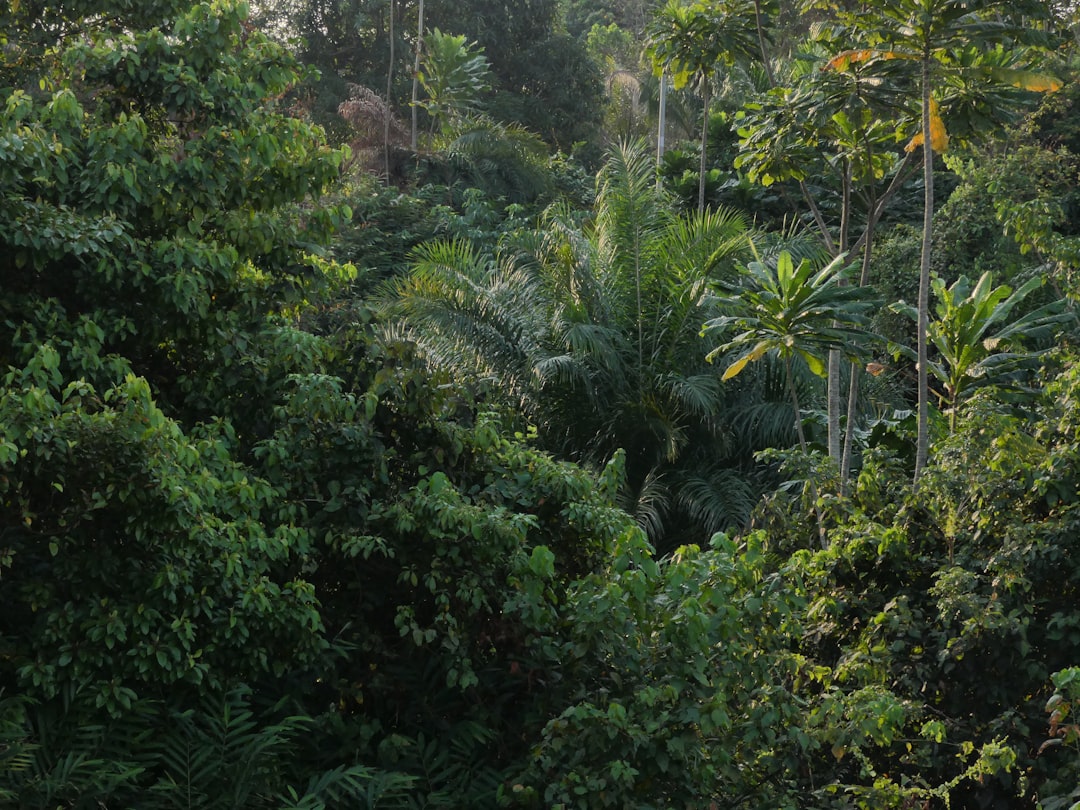
Gabon's ecotourism sector is small by design. The government and conservation organisations have deliberately kept visitor numbers low to protect the wildlife and forest ecosystems that make the country worth visiting in the first place.
Why Gabon for Ecotourism?
Most African wildlife destinations are experiencing the pressure of mass tourism: overcrowded game drives, lodges built to hotel scale, wildlife habituated to the constant intrusion of vehicles. Gabon is not that. Visitor numbers remain in the low tens of thousands per year — a fraction of East Africa's safari circuits. The infrastructure is modest. The distances are real. The wildlife is genuinely wild.
This is not a destination for tourists who want comfort over experience. It is, however, a destination for those who want to feel the forest as it actually is — immense, humid, alive with sounds that are not yet described in field guides, and indifferent to human presence in the way that only truly undisturbed wilderness can be.
When to Visit
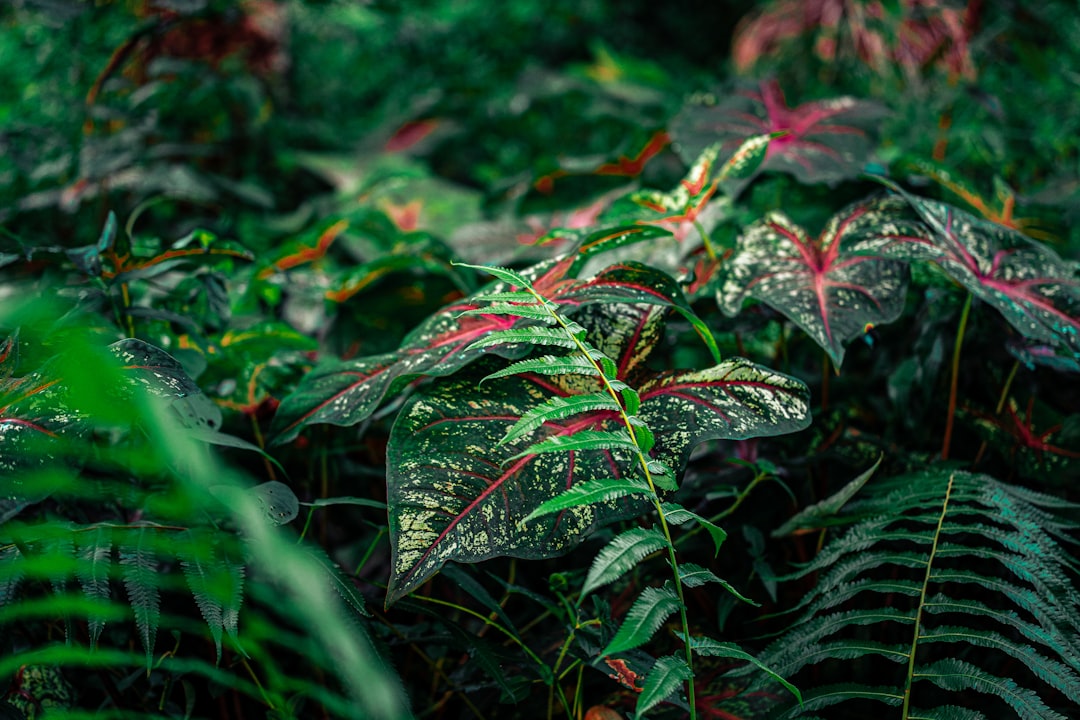
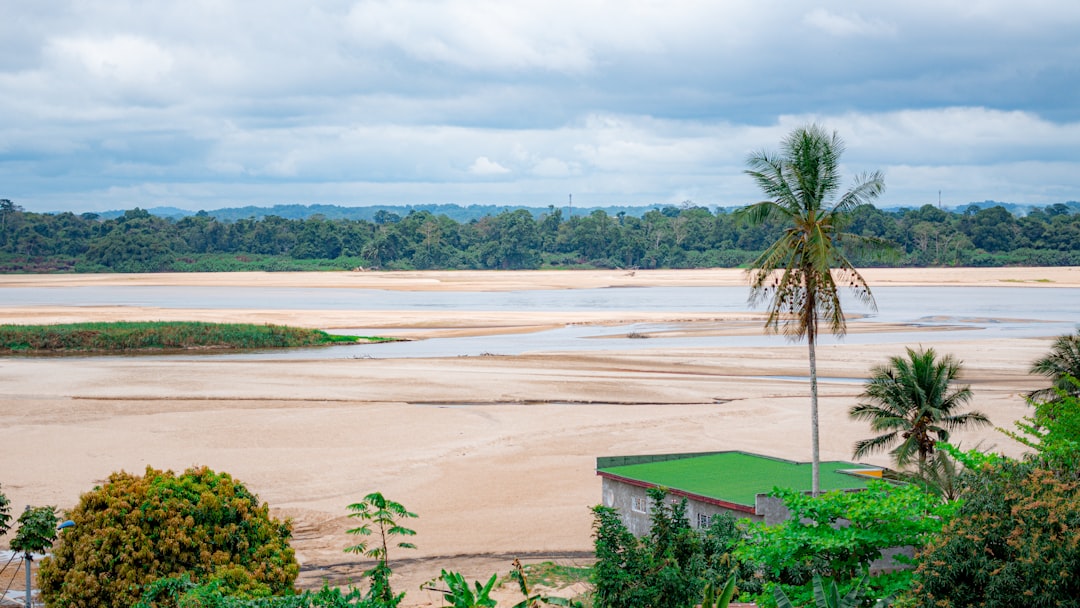
Gabon has two dry seasons and two wet seasons, dictated by the Inter-Tropical Convergence Zone. The main dry season runs from June to September, and is the best time for general wildlife viewing — animals congregate around water sources, and forest tracks are more passable. The short dry season in December and January is excellent for sea turtle watching on the coast.
The wet seasons (October–November and March–May) are not impossible for travel, but forest tracks become difficult, trails muddy, and some remote camps close. On the other hand, birding is spectacular during the wet season, fruiting trees draw gorillas and chimpanzees out of the deep forest, and rivers swell to their most dramatic.
Recommended: June–September for wildlife and trekking. October–March for sea turtle nesting (Pongara, Mayumba). December–January for the short dry + turtle combination.
Responsible Travel Principles
Gabon's national parks are managed by the Agence Nationale des Parcs Nationaux (ANPN), in partnership with African Parks Network and several international NGOs. The following principles apply across all park visits:
- Always use accredited local guides. Your guide's livelihood depends on the wildlife remaining. They know the forest in ways that no app or guidebook replicates, and their knowledge is irreplaceable.
- Respect wildlife distance protocols. For gorillas and chimpanzees, maintain a minimum seven-metre distance and wear a face mask to reduce disease transmission risk. For elephants, defer entirely to your guide's judgement.
- Do not buy or consume bushmeat. The bushmeat trade is the primary driver of wildlife decline across Central Africa. This applies even when offered casually in villages or markets.
- Carry out all waste. Pack lightweight, minimise single-use plastics, and leave every campsite cleaner than you found it.
- Stay on marked trails. Off-trail movement damages forest understorey, disturbs wildlife, and risks getting lost in a forest where mobile coverage is zero.
Lodges & Accommodation
Gabon's lodge infrastructure is improving steadily, though it remains small-scale compared to East or Southern Africa. The best options:
Lopé Hotel — The oldest and most established park lodge in Gabon, adjacent to Lopé National Park. Comfortable rooms, excellent guides, access to forest and savannah zones, and proximity to the SEGC research station. Arrange gorilla and chimpanzee tracking excursions here.
Pongara Lodge — 40 minutes by boat from Libreville, this comfortable eco-lodge is the entry point to Pongara National Park. Sea turtle night walks, mangrove kayaking, and early-morning beach walks with elephants are the signature experiences. Ideal for travellers with limited time who want a genuine wild experience without flying inland.
Loango Lodge & Akaka Camp — On the edge of Loango National Park, these sister lodges offer guided walks in beach and coastal forest environments where buffalo, elephant and red river hogs move within sight of the Atlantic. Humpback whale watching is arranged offshore between July and September.
Doussala Research Camp, Moukalaba-Doudou — Not a lodge in any conventional sense: a basic research camp with tents and shared facilities, deep inside Moukalaba-Doudou NP. The only place in Gabon to guarantee gorilla trekking. Advance booking is essential and places are extremely limited. For serious gorilla travellers only.
Getting to Gabon
Libreville's Léon-Mba International Airport receives direct flights from Paris (Air France, 8 hours), Addis Ababa (Ethiopian Airlines), Casablanca (Royal Air Maroc), and several regional African capitals. There are no direct flights from North America, UK or Asia — connections via Paris or Addis Ababa are the standard routing.
From Libreville, internal travel is principally by charter aircraft (to park airstrips), the Transgabonais railway (to Lopé, 6 hours), boat (for coastal parks), or 4WD vehicle on red laterite roads. Road quality varies enormously: the Trans-Gabon Highway links major towns, but park access routes require high-clearance 4WD vehicles and can become impassable in heavy rain.
Africa's Connected Digital Landscape
For travellers combining Gabon with broader West African experiences, the region's most developed digital and entertainment landscape can be found in Nigeria — the continent's largest economy and a hub for online leisure, fintech, and digital services. As mobile connectivity spreads, so does interest in digital travel services across the continent.
Visas & Health
Most nationalities require a visa to enter Gabon. E-visas can be obtained online through the official Gabonese immigration portal, and are typically processed within 5–7 business days. Citizens of ECOWAS member states enter visa-free.
Yellow fever vaccination is compulsory — you will be asked to show your International Certificate of Vaccination at entry. Malaria prophylaxis is strongly recommended for all zones, including Libreville. Carry a comprehensive first-aid kit for any travel outside the capital, as medical facilities in park zones are minimal.
Gabon's tap water is not safe to drink in park zones. Use a water filter or iodine tablets. Reef sandals or shoes are essential for river crossings. Forest leeches are harmless but present in wet-season conditions.