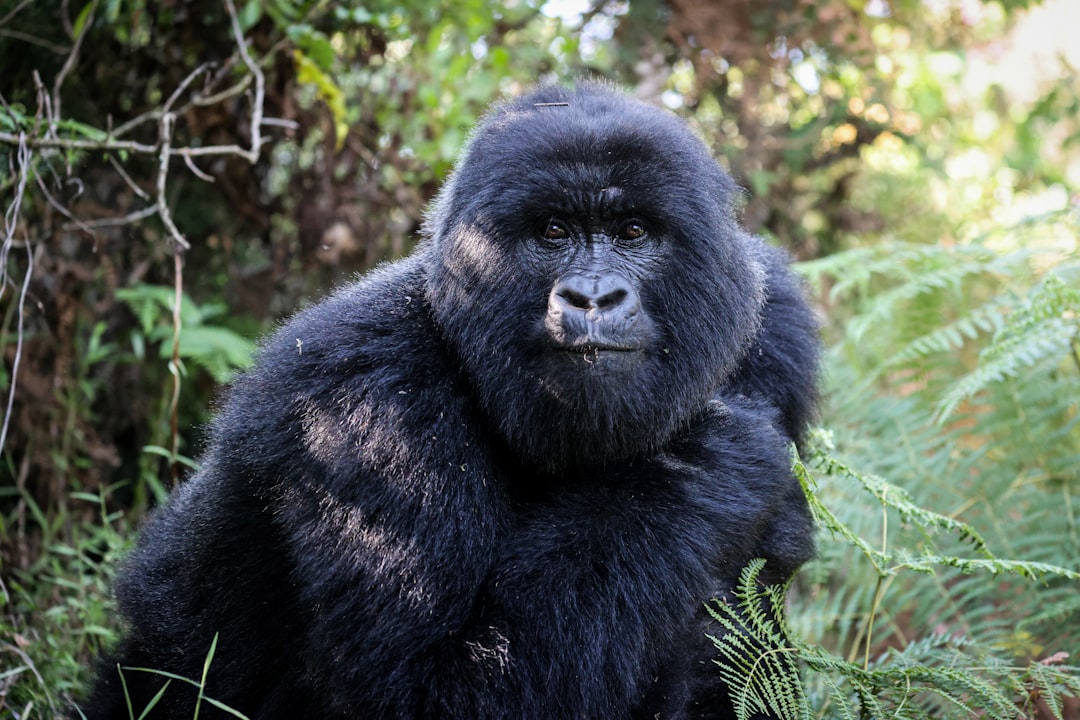
The western lowland gorilla — Gorilla gorilla gorilla — is the world's most numerous great ape subspecies, yet it remains critically endangered. Habitat loss, bushmeat hunting and Ebola haemorrhagic fever have reduced populations across Central and West Africa. In Gabon, the story is different.
Why Gabon's Population Is Different
Gabon is home to an estimated 35,000–40,000 western lowland gorillas — a figure that represents between 40 and 50 percent of the global wild population. This extraordinary concentration exists because of several convergent factors: the vast expanse of intact primary forest, the relatively low human population density in the interior, the absence of large-scale bushmeat markets, and — crucially — the 2002 establishment of national parks that gave legal protection to the most important gorilla habitats.
Unlike some other Central African nations, Gabon has not experienced large-scale armed conflict in recent decades. Political stability, however imperfect, has allowed conservation programmes to operate continuously. Research teams at Lopé National Park have been tracking individual gorilla groups since the 1980s, building a dataset on primate ecology that is among the most comprehensive in the world.
The Gabonese government has also cracked down on the bushmeat trade with increasing seriousness. While illegal hunting persists in some areas, the combination of park rangers, NGO monitoring and community-based conservation has dramatically reduced hunting pressure within protected zones.
Gorilla Biology & Society
Western lowland gorillas live in groups of five to twenty individuals, led by a dominant silverback — a mature male whose saddle of grey hair is a badge of age and status. Groups typically include two to four adult females, their offspring, and occasionally a younger "blackback" male who may eventually challenge for leadership.
Gorillas are highly intelligent, emotionally complex animals. They use tools — rocks to crack nuts, sticks to probe for termites — and show clear signs of empathy, grief and play. Their calls include the famous chest-beat, used by silverbacks to intimidate rivals and signal their location; soft belch vocalisations that indicate contentment; and alarm barks that can be heard across hundreds of metres of dense forest.
Their diet is primarily vegetarian: leaves, stems, fruit and bark, supplemented occasionally by insects and soil minerals. In Gabon's forests, where fruit is seasonal and patchy, gorillas must range widely — home ranges of 2,000–3,000 hectares are typical — making them key seed dispersers for the forest ecosystem. A gorilla's gut processes and deposits seeds far from the parent tree, helping maintain forest diversity in ways that no other animal fully replicates.
Where to See Gorillas in Gabon
There are two primary sites in Gabon where gorillas have been habituated to human visitors:
Moukalaba-Doudou National Park — The principal gorilla-trekking destination in Gabon. The Gorilla Protection Project has habituated multiple groups at the Doussala research camp in the park's northeast. Treks are physically demanding (two to four hours each way, on foot through dense understorey) and deliberately limited in visitor numbers to minimise stress to the gorillas. The experience is unmediated wilderness — no lodges within the park, basic camping only, guides from the local Bapunu community.
Lopé National Park — Research gorillas in Lopé are not habituated for tourism purposes, but experienced guides can often locate gorilla groups during forest walks. Encounters are opportunistic rather than guaranteed, which for many experienced wildlife travellers adds to the authenticity. The SEGC research station welcomes visitors who want to learn about the long-term primate monitoring programme.
Outside these sites, gorillas are present but unhabituated across millions of hectares of forest in Minkébé, Waka, and Birougou national parks. Remote expedition-style trips with specialist operators occasionally penetrate these zones — encounters, when they happen, are with wild animals that have never seen humans before.
Conservation Challenges
Despite Gabon's relative success, gorilla conservation faces ongoing threats. Ebola haemorrhagic fever has caused periodic die-offs in gorilla populations near the Cameroon and Congo borders; the 2002–2003 outbreak killed an estimated 5,000 gorillas in the Minkébé region alone. Climate change is altering fruit fruiting patterns, potentially disrupting the nutritional ecology of gorilla groups that depend on certain tree species. Oil palm and rubber plantation development, though less advanced in Gabon than in West Africa, remains a pressure on forest margins.
The Wildlife Conservation Society (WCS), WWF, and the Max Planck Institute for Evolutionary Anthropology all maintain active research and conservation programmes in Gabon. Their work — combining wildlife monitoring, community outreach and anti-poaching patrols — represents the best evidence available that gorilla populations in Gabon are stable or growing, in contrast to most of their range.
Practical note: If you plan to trek gorillas in Gabon, budget 10–14 days minimum. Arrange permits through the Agence Nationale des Parcs Nationaux (ANPN) well in advance. Bring lightweight, dark-coloured clothing, good boots, and follow all biosecurity protocols — gorillas are susceptible to human respiratory diseases.
Mangrove Neighbours: Manatees & Coastal Wildlife
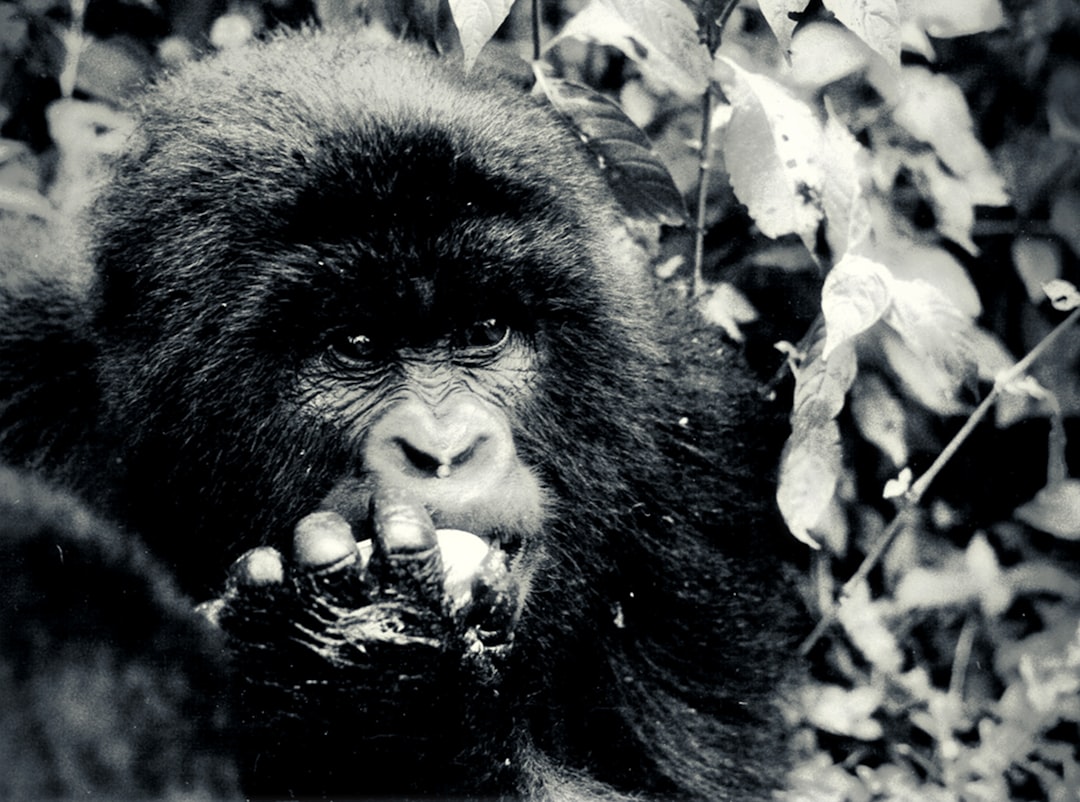
The coastal zones that border gorilla forest also harbour African forest manatees — a species so little studied that population estimates remain unreliable. In the tidal creeks of the Ogooué delta, manatees surface silently, vanishing before most observers realise what they have seen.
These aquatic mammals share the estuarine habitat with Nile crocodiles, African clawless otters, and an extraordinary density of fish. The mangrove root systems — visible at low tide as a tangle of arching prop roots — are nursery habitats for the same fish species that feed the fishing communities along the coast.